Our hive · est. 2019
Two sisters, twelve hives
Honeybloom started as a kitchen-table hobby in Starksboro, Vermont. It's still poured by the same four hands, just a bit more often now.
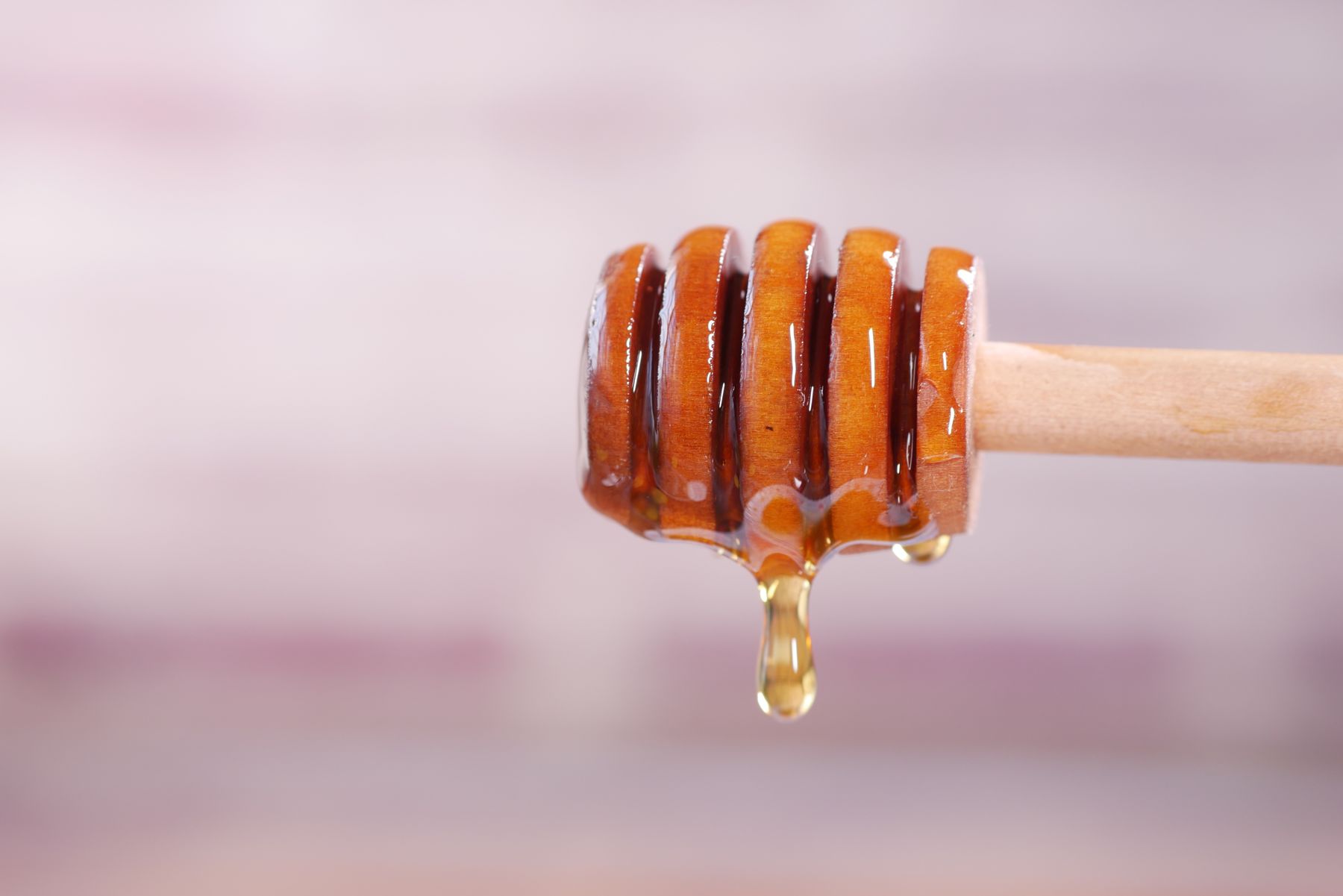
Batch 042 · April 2026
The first honey of the year, dipped straight from the copper pot before it meets the beeswax.
What's in a tin
Five ingredients.That's the whole list.
Full breakdown →Raw honey
Unfiltered wildflower, straight from Maeve's apiary.
Beeswax
Virgin, unbleached, melted slow in copper pots.
Oil, blossoms, vitamin E
Apricot kernel, apple + cherry + linden, a drop of E.
It started with a chapped lip and a grandmother's recipe.
In 2019, my sister Maeve gave me a tin of homemade balm she'd poured in her kitchen. It was the best thing I'd ever put on my mouth. I asked her to make me a few more to hand out at Christmas. A year later we had three hives and a website. Today we have twelve hives, a pour room in what used to be our grandfather's cider shed, and a stubborn policy against scaling up.
Why we stay small on purpose.
We could triple the output if we bought commodity honey. We won't. Every tin holds honey from bees we know, gathered from flowers that grow within a half-hour drive. That ceiling means about 2,400 tins a year — so we sell out, and then we wait for the next bloom.
What we believe
Five small things.
01
Bees before balm
We only harvest surplus honey, and we leave the hives twice what they need to overwinter.
02
Fifty-mile rule
If we can't source an ingredient from within fifty miles, we find another recipe.
03
Return the tin
Send back five empties, get one free balm. Most of our customers are on tin number three.
04
Plain paper, please
No bubble wrap, no stickers, no crinkle paper. Your balm arrives in a brown box, the way it should.
05
Honest batches
Every tin is numbered and dated. If you got batch 042 in April 2026, it's the cherry-heavy one.
The team
The four hands behind every tin.
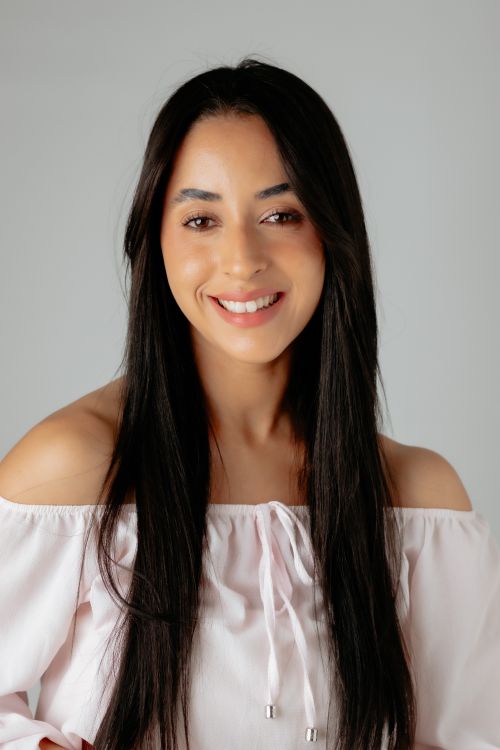
Maeve Aldridge
Beekeeper, pourer
Has been keeping bees since she was eleven. Can tell you the weather by how the hive smells.
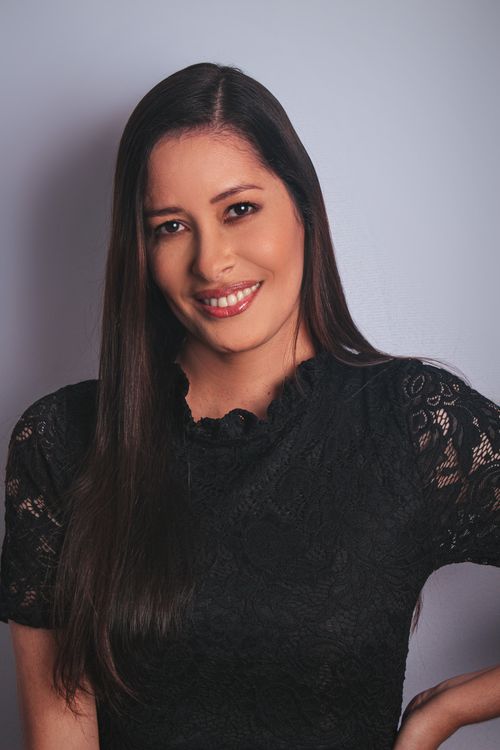
Jess Aldridge
Gardener, writer
Runs the flower side of things. Also writes the seasonal letter and answers most of the emails.
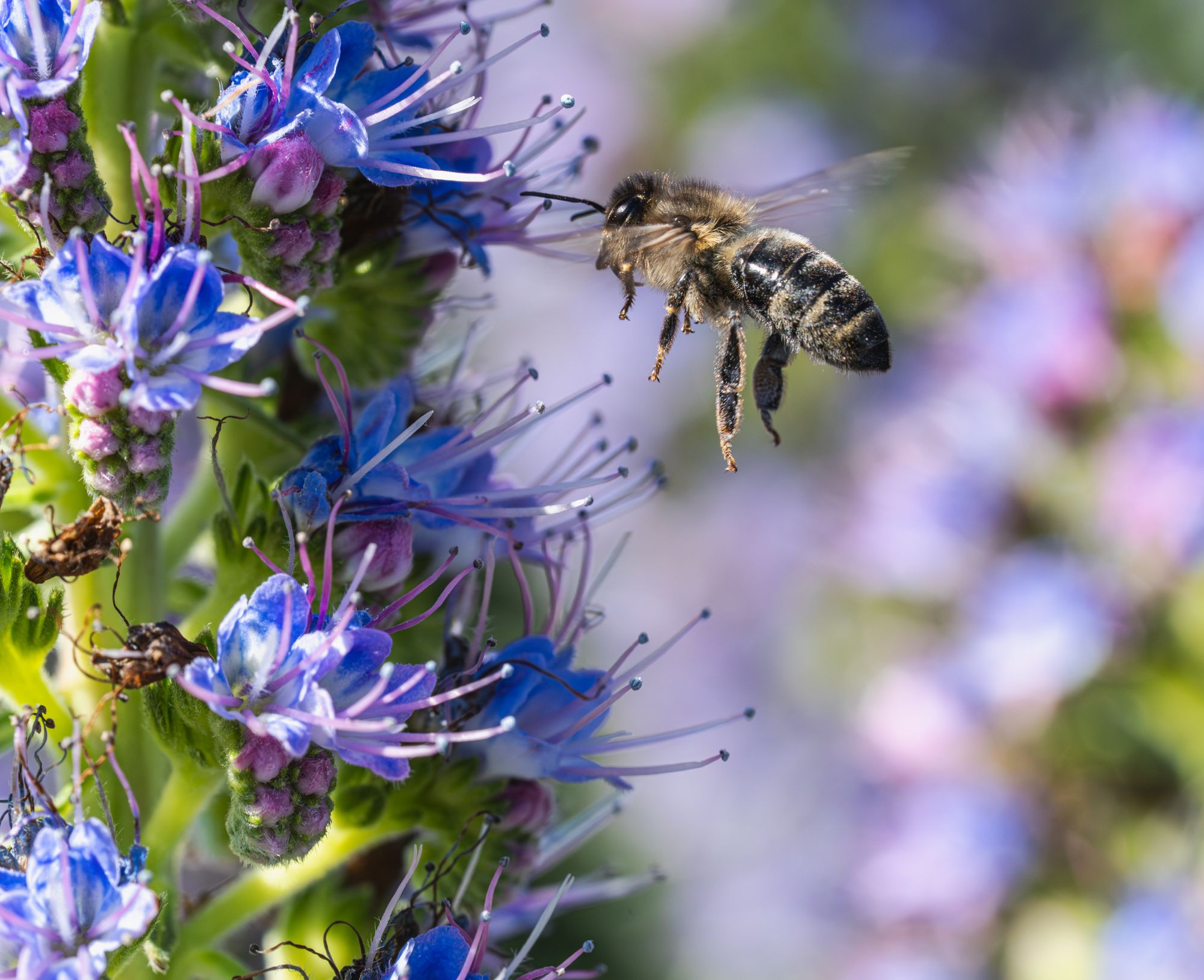
Early May 2026
One of Maeve's girls, deep in the lupine patch behind the cider shed.